Top 10 Smart Energy Solutions for Global Buyers?
In today’s rapidly evolving energy landscape, smart energy solutions are crucial for global buyers. According to Dr. Lisa Green, an expert in sustainable energy, "Smart energy solutions can transform how we consume and interact with power." Her insight underscores the importance of innovation in energy efficiency.
The demand for smart energy solutions has surged, reflecting a growing awareness of sustainability. Consumers and businesses alike seek reliable alternatives to traditional energy sources. These solutions encompass a wide range of technologies, including smart grids, energy storage systems, and efficient lighting. Each option carries unique benefits, adaptability, and challenges that merit careful consideration.
Navigating this landscape can be complex. Buyers must weigh cost, reliability, and usability when selecting smart energy solutions. Furthermore, not all solutions fit every situation, prompting reflection on what truly meets specific needs. As the world embraces these transformative technologies, it's essential to remain open to learning and adapting strategies that enhance energy efficiency.
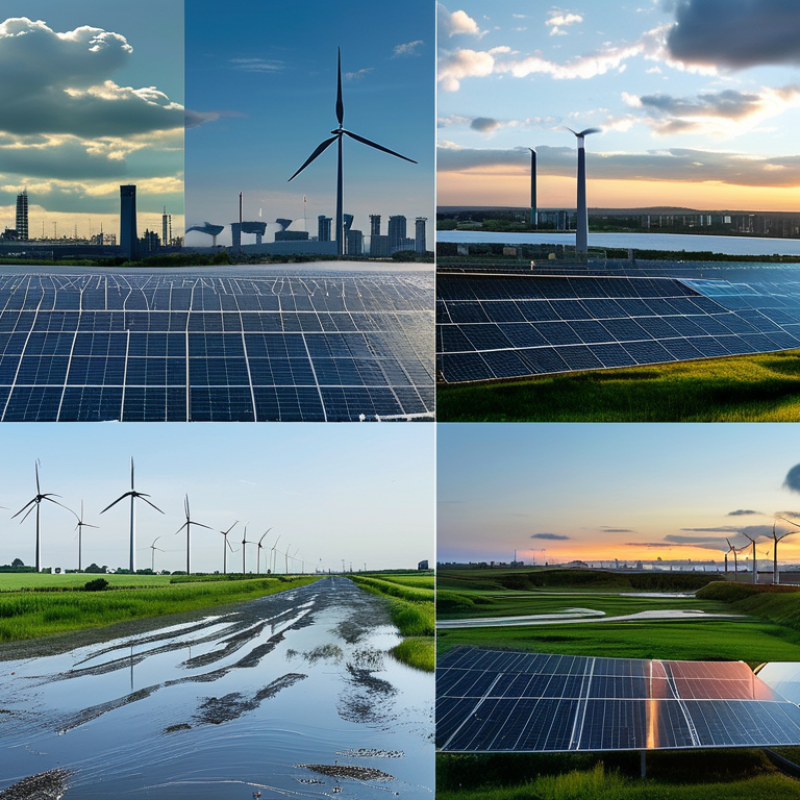
Smart Energy Solutions Overview and Global Relevance
Smart energy solutions are becoming increasingly relevant globally. They leverage advanced technologies to optimize energy use. This evolution is crucial amidst rising energy demands and environmental concerns. Transitioning to smart energy can lead to significant efficiency gains. Users report lower utility bills and reduced carbon footprints.
Furthermore, smart grid technology enhances energy distribution. By integrating renewable sources, these systems offer resilience against outages. Real-time data analytics enable users to monitor consumption closely. Yet, there are challenges. The initial investment can be daunting for small businesses. Many still grapple with interoperability issues among various systems.
The global shift toward sustainability drives interest in smart energy solutions. Countries are setting ambitious targets for reducing emissions. Collaboration across sectors is vital for fostering innovation. As more solutions emerge, education on their benefits becomes essential. Understanding these tools will equip consumers and businesses for a sustainable future.
Key Technologies in Smart Energy Solutions
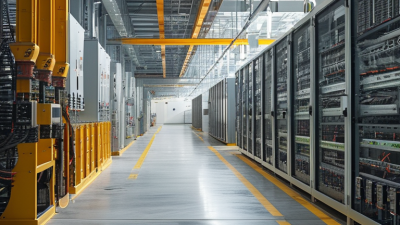
Smart energy solutions are becoming essential for sustainable development worldwide. Technologies in this field offer innovative ways to optimize energy use, reduce costs, and lower carbon emissions. Key technologies include smart grids, energy storage systems, and demand response mechanisms. Smart grids enable efficient electricity distribution and real-time energy management. They enhance reliability and integrate renewable energy sources seamlessly.
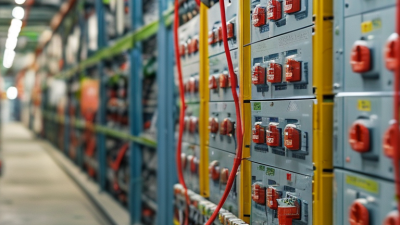
Energy storage systems play a crucial role in balancing supply and demand. Technologies like batteries store excess energy for later use, ensuring a steady power supply. They are vital for integrating intermittent renewable energy. Demand response mechanisms allow businesses and consumers to adjust their energy usage based on real-time pricing signals. This flexibility helps to alleviate strain on the grid during peak demand.
Consider how these technologies can transform your energy consumption. Evaluate local energy needs before adopting solutions. Understanding unique requirements ensures that investments yield the best results. If you plan to implement smart solutions, conduct thorough research. No one-size-fits-all approach exists. What works for one region may not work for another. Embrace the challenge and refine your approach as you learn.
Sustainable Energy Management Practices
Sustainable energy management practices are crucial for reducing environmental impact. Efficient resource use can lead to long-term benefits. Adopting smart energy solutions enhances operational efficiency and reduces costs. The integration of renewables into energy systems is becoming more popular. However, businesses must evaluate their current energy consumption patterns. This assessment can help identify areas for improvement.
Consider starting with an energy audit. Understanding energy use can lead to better decision-making. Monitor usage regularly to spot inefficiencies. Simple changes, such as upgrading equipment and optimizing schedules, can produce significant savings. Each small step counts toward overall sustainability.
Involving stakeholders in energy management is essential. Their insights can help create a culture of sustainability. It’s vital to communicate energy goals clearly. This fosters a collective responsibility for energy conservation. Ultimately, sustainable practices not only save money but also demonstrate corporate responsibility. Balancing innovation with mindful consumption is key to thriving in today’s market.
Market Trends and Consumer Preferences in Smart Energy
Market trends in smart energy reflect a growing awareness among consumers about sustainability. As more people prioritize eco-friendly practices, energy efficiency becomes crucial. Smart meters and home energy management systems are increasingly popular. These tools allow consumers to track their energy usage in real time, promoting conscious consumption.
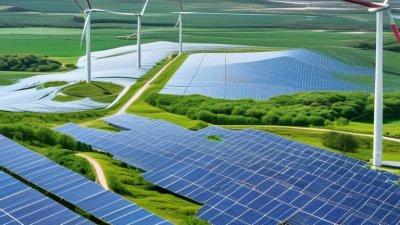
There is also a shift towards renewable energy sources. Consumers are looking for solutions that reduce their carbon footprint. Solar panels, wind turbines, and geothermal systems enjoy rising demand. Government incentives and subsidies are often available to support these choices. This creates an attractive landscape for buyers interested in smart energy solutions.
Tips: Consider starting with small energy-saving devices before investing in complex systems. Evaluate your energy consumption patterns to make informed decisions. Research local incentives that can lower your initial investment costs. When selecting devices, focus on those with strong reviews and proven performance. Look for solutions that are compatible with existing technologies in your home.
Challenges and Opportunities for Global Buyers in Smart Energy Solutions
The global shift towards smart energy solutions presents both challenges and opportunities for buyers. According to a recent report by the International Energy Agency, global investments in renewable energy technologies reached $300 billion in 2022. This indicates strong demand for innovative energy solutions. However, the transition is not without hurdles. High initial costs and regulatory complexities often deter potential buyers. A survey by the World Economic Forum highlighted that 54% of companies identified financial barriers as a significant obstacle to implementing smart energy technologies.
Adopting smart energy solutions can enhance operational efficiency and lower long-term energy costs. However, integrating these systems requires careful planning and expertise. Many buyers lack the necessary knowledge, resulting in misaligned investments. A study from McKinsey showed that companies investing in training for their teams experienced a 40% increase in project success rates. This highlights the importance of building in-house capabilities. The complexity of energy markets and rapidly evolving technologies further complicates decision-making processes.
Buyers must strike a balance between innovation and practicality. While emerging technologies offer exciting prospects, they also present risks. According to the Deloitte Global Technology Leadership Study, 70% of C-suite executives admitted they felt unprepared for these changes. Successful navigation of this landscape requires continuous learning and adaptation. Embracing a culture of innovation will be essential for companies aiming to leverage the benefits of smart energy solutions effectively.