Top Renewable Energy Solutions for 2026 to Watch Out For?
As the world pivots towards sustainable development, renewable energy solutions are becoming increasingly critical. By 2026, significant advancements in technology will shape the landscape of energy production and consumption. Innovations in solar, wind, and hydropower are promising, but the journey is not without challenges.
Investments in renewable energy solutions are expected to accelerate, driven by global climate goals. However, the implementation of these technologies must consider regional dynamics and economic realities. Some communities may struggle to adopt new systems. There is a risk that not all areas will benefit equally from green initiatives.
Ultimately, the success of renewable energy solutions hinges on collaboration among governments, businesses, and citizens. Creating robust policies and frameworks is essential. Diverse perspectives will enrich the discussion and drive progress, yet we must reflect on the uneven pace of change. Achieving a sustainable future is a collective responsibility, demanding ongoing commitment and innovation.
Top Renewable Energy Trends Shaping 2026: Key Insights and Projections
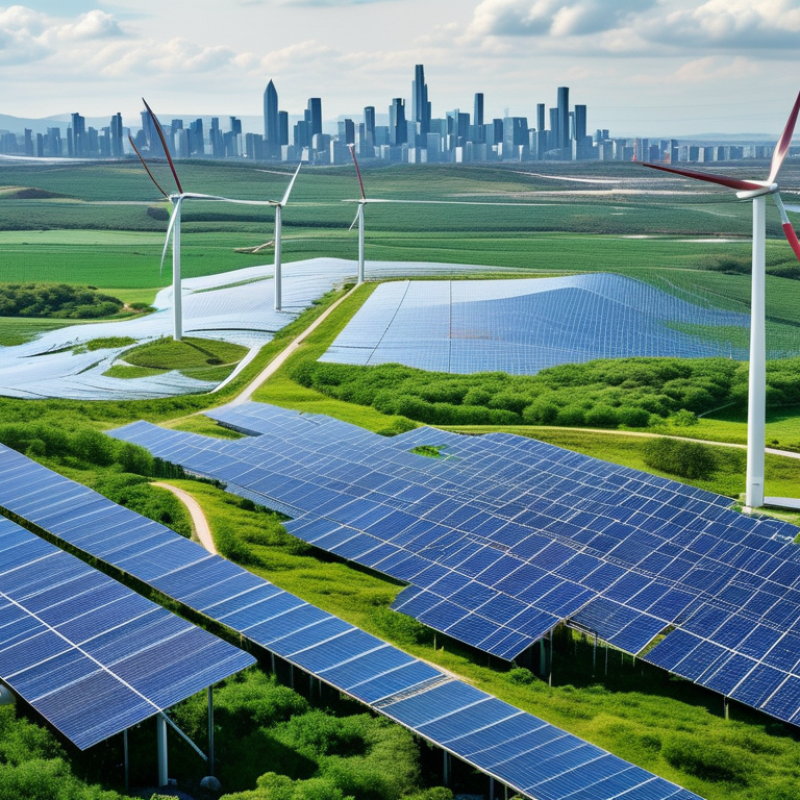
As we approach 2026, several renewable energy trends promise to reshape our energy landscape. One major focus is the rapid advancement in solar technology. New photovoltaic materials are on the horizon, increasing efficiency and reducing costs. This shift could make solar power even more accessible for households and businesses. However, challenges remain in energy storage solutions. High-capacity batteries are crucial for solar energy to be viable around the clock.
Wind energy also continues to evolve. Offshore wind farms are becoming a significant player in renewable energy. Their larger turbines can generate more power than traditional onshore setups. Yet, the environmental impacts of these installations require careful assessment. Striking a balance between energy generation and ecosystem preservation is an ongoing challenge.
Additionally, hydrogen as a clean fuel source is gaining traction. Its potential for decarbonizing industries is being explored extensively. While hydrogen production faces hurdles, innovations in electrolysis may provide pathways to clean hydrogen, essential for heavy vehicles. The roadmap to a renewable future is complex and multifaceted, with each solution bringing its own set of challenges and opportunities.
Solar Energy Innovations: Expected Growth to 1,000 GW by 2026
The solar energy sector is poised for significant transformation by 2026. Innovations in solar technology are driving efficiency and accessibility. Experts predict a remarkable growth trajectory, with the capacity expected to reach 1,000 GW. This surge will make solar energy a staple in global power generation.
New materials, like perovskite, are at the forefront of this innovation. They promise enhanced efficiency at reduced costs. Researchers are also focusing on energy storage solutions. This includes advanced batteries that can store solar power for use during low sunlight hours. However, challenges persist. Scaling production while maintaining quality is a vital concern.
Adoption rates vary widely across regions. Some areas embrace solar faster than others. Policy support can make or break the market. Incentives encourage private investment but may not reach everyone equally. The industry must also address concerns about sustainability in solar panel production. While the future looks bright, continuous improvement and adaptation are essential.
Wind Power Expansion: Forecasting 9% Annual Growth Rate through 2026
Wind power is set to experience significant growth in the coming years. Experts predict an annual increase of 9% through 2026. This expansion reflects the industry's shift towards cleaner energy sources. According to the International Energy Agency (IEA), wind power capacity is expected to triple globally by 2030.
Investment in wind technology is a driving force behind this growth. A report from the Global Wind Energy Council (GWEC) highlights the increasing demand for offshore wind farms. These farms present unique advantages in terms of energy generation and reduced carbon emissions. Countries like the United States and China are spearheading these efforts, enhancing their energy independence while addressing climate change.
While the prospects are promising, challenges remain. Intermittency continues to be a technical hurdle. Energy storage solutions are vital for balancing supply and demand. Additionally, supply chain disruptions during the pandemic impacted project timelines. It’s crucial for the industry to address these issues to maintain momentum. The wind power sector has a long way to go, but its potential remains immense.
Emerging Technologies: Hydrogen's Potential Role in Renewable Energy Transition
Hydrogen is gaining attention in the renewable energy sector. It offers a clean alternative to fossil fuels. Many view it as a key player for the energy transition by 2026. Hydrogen can be produced through various methods, including electrolysis powered by renewable sources. This process separates water into hydrogen and oxygen, resulting in zero emissions.
However, challenges remain. The production of green hydrogen is still costly. Infrastructure for distribution is underdeveloped in many regions. Storage is another concern; hydrogen is less dense than other fuels. Despite these hurdles, advancements in technology are on the rise. Researchers are exploring new materials for storage solutions. This could enhance the feasibility of hydrogen as a reliable energy resource.
While hydrogen holds promise, it is essential to maintain a cautious outlook. The transition to renewable energy is complex. Investing in hydrogen technology requires careful consideration of economic factors. Policy frameworks must support its growth and address existing barriers. The path forward is uncertain, but the potential makes it a focal point worth discussing.
Top Renewable Energy Solutions for 2026
Energy Storage Solutions: Anticipating 150 GW of New Capacity by 2026
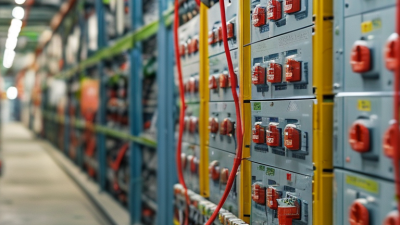
As the world transitions to renewable energy, energy storage solutions are crucial. By 2026, experts anticipate a staggering 150 GW of new energy storage capacity. This increase is vital for managing the intermittent nature of renewable sources like solar and wind.
Current reports highlight the growing demand for reliable energy storage. For instance, the International Energy Agency estimates that energy storage capacity must triple by 2030 to meet global energy needs. Advanced battery technologies are making strides, yet challenges remain. Recycling and sustainability of materials used in batteries present critical concerns. Developing sustainable supply chains is imperative.
Additionally, the integration of energy storage with smart grid technologies is essential. This integration can optimize energy distribution and enhance grid reliability. However, the infrastructure for such technologies is still under development. Investing in infrastructure will be key for countries looking to enhance their energy security. Continued innovation is necessary as we move closer to 2026.