
How to Choose the Best Motorcycle Ebike?
Choosing the right Motorcycle Ebike requires more than comparing motor wattage or advertised range. The best model depends on your roads, riding habits, charging access, and safety priorities. A commuter traveling through wet city streets needs different equipment from a rider carrying luggage on steep rural roads.
The market is expanding quickly. The International Energy Agency’s Global EV Outlook 2024 identifies electric two- and three-wheelers as the most electrified road-transport segment, with China leading global adoption. This trend shows strong consumer interest, but it also creates confusion. Specifications vary widely between manufacturers. Some brands quote laboratory range, while real-world results change with rider weight, hills, temperature, tire pressure, and speed.
Look beyond headline numbers. Battery capacity, measured in watt-hours, helps estimate usable energy. A removable battery may simplify apartment charging. Hydraulic disc brakes can provide more controlled stopping on descents. Motorcycle-style frames, lights, mirrors, and turn signals may improve visibility, but equipment still needs careful inspection. The European Transport Safety Council continues to emphasize speed management, protective equipment, and visibility for powered two-wheelers. Local certification requirements also matter.
There is no perfect formula. My first comparison would not be perfectly neat. Test the riding position, listen for drivetrain noise, and check whether the display remains readable in sunlight. Ask for battery warranty terms and replacement costs. UL Solutions highlights battery-system evaluation as an important part of micromobility safety, although certification does not replace responsible riding. This guide will compare performance, range, comfort, reliability, maintenance, and total ownership cost, helping you choose a Motorcycle Ebike that fits real daily use rather than an impressive brochure.
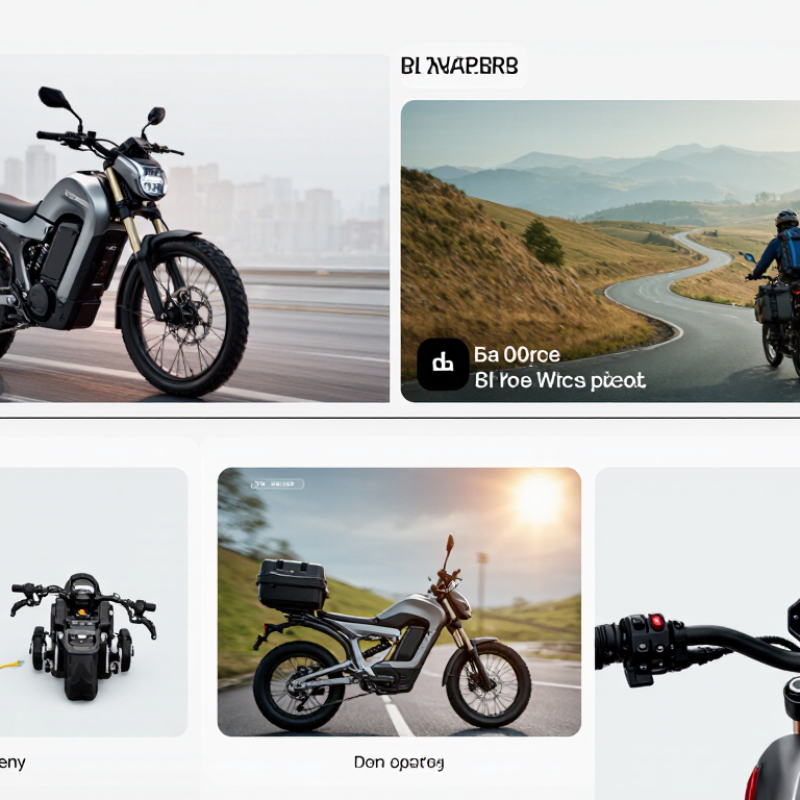
Define Your Motorcycle Ebike Riding Needs and Intended Use
Start with the route, not the motor.
Your daily distance, road surface, hills, and traffic should define the motorcycle ebike. The International Energy Agency’s Global EV Outlook 2024 identifies electric two- and three-wheelers as the most electrified road-transport segment. In China, electric models represent more than half of new two-wheeler sales. That growth does not make every model suitable for your commute.
Measure your real journey. A flat, paved 12-mile commute needs different equipment from a steep, uneven trail. Check the battery’s usable capacity, not only its advertised range. Cold weather, heavy loads, strong wind, and frequent acceleration reduce distance. The U.S. Department of Transportation’s 2017 National Household Travel Survey reports an average vehicle trip of about 9.4 miles, but personal travel patterns vary sharply. Your lunch bag, tools, passenger, or camera equipment may change the calculation. Carrying capacity matters.
I once overestimated my battery margin. It was inconvenient. It also exposed a planning mistake. Leave practical reserve for detours and battery aging. Examine charging time, removable-battery weight, brake performance, suspension travel, tire grip, lighting, and storage security. Riders in rainy regions should inspect water-resistance ratings carefully. Riders using public roads must verify local speed, equipment, and licensing requirements. The best choice may feel slower than expected, but predictable handling usually matters more than impressive specifications. (IEA, Global EV Outlook 2024; U.S. DOT, National Household Travel Survey 2017)
How to Choose the Best Motorcycle Ebike? - Define Your Motorcycle Ebike Riding Needs and Intended Use
| Riding Need or Intended Use | Typical Riding Environment | Recommended Motor Output | Practical Battery Capacity | Useful Real-World Range | Key Features to Prioritize | Main Trade-Offs |
|---|---|---|---|---|---|---|
| Daily Urban Commuting | Paved roads, bike lanes, moderate traffic, and frequent stops | 500–750 W nominal motor output | 500–750 Wh | 30–60 miles (48–97 km) | Integrated lights, hydraulic or reliable mechanical disc brakes, fenders, rear rack, comfortable upright geometry, and removable battery | A larger battery increases weight; high-speed capability may reduce efficiency and require more careful local-law compliance |
| Long-Distance Road Riding | Mixed pavement, rolling terrain, longer routes, and limited charging opportunities | 750–1,000 W nominal motor output | 750–1,200 Wh | 45–90 miles (72–145 km) | Large battery, efficient tires, stable frame, multiple assist levels, clear display, strong brakes, and convenient charging access | Higher purchase weight and longer charging time; actual range varies significantly with speed, wind, hills, and rider load |
| Hilly Commuting | Steep streets, repeated climbs, and stop-and-go urban routes | 750–1,000 W nominal motor output with high torque | 750–1,000 Wh | 25–55 miles (40–89 km) | High torque, low climbing gears, thermal protection, hydraulic disc brakes, wide tires, and a battery management system | Climbing uses substantially more energy; a powerful motor and larger battery add cost and mass |
| Cargo and Utility Transport | Urban deliveries, groceries, tools, child transport, or trailer use | 750–1,000 W nominal motor output | 750–1,200 Wh | 20–50 miles (32–80 km) | High payload rating, reinforced frame, long wheelbase, sturdy kickstand, strong brakes, front or rear cargo mounting points, and load-rated tires | Payload reduces acceleration, braking performance, and range; confirm the total permitted weight before carrying passengers or cargo |
| Light Trail and Gravel Riding | Gravel roads, maintained dirt paths, compact trails, and uneven surfaces | 500–750 W nominal motor output | 600–900 Wh | 25–55 miles (40–89 km) | Full-suspension or compliant frame design, hydraulic disc brakes, puncture-resistant tires, wider rims, torque sensing, and durable drivetrain components | Off-road tires and suspension can increase rolling resistance and maintenance needs; verify that local trails permit electric bicycles |
| Recreational Weekend Riding | Bike paths, quiet roads, parks, and mixed recreational routes | 500–750 W nominal motor output | 500–750 Wh | 30–65 miles (48–105 km) | Comfortable saddle, adjustable handlebar, smooth pedal assistance, easy-to-read display, dependable lighting, and simple controls | Comfort-focused equipment may be heavier; selecting excessive motor power can reduce portability without improving normal rides |
| Short Local Trips | Shopping, errands, school runs, and journeys below 10 miles each way | 250–500 W nominal motor output | 400–600 Wh | 20–45 miles (32–72 km) | Low weight, easy battery removal, dependable brakes, compact storage, low maintenance, and a comfortable step-through or easy-mount frame | Smaller motors may feel slower on steep hills or with heavy loads; compact designs can have lower payload limits |
| Two-Up or Passenger-Oriented Riding | Private property or locations where passenger use is legally permitted | 750–1,000 W nominal motor output | 750–1,200 Wh | 20–45 miles (32–72 km) | Passenger-rated frame, approved seating and footrests, high-capacity brakes, reinforced wheels, wide tires, and a clearly stated total weight limit | Passenger use requires careful handling and longer stopping distances; never exceed the manufacturer’s rated payload or local regulations |
| High-Speed Private-Property Use | Controlled private roads or other areas where the vehicle is legally allowed | 750–1,000 W nominal motor output, subject to applicable regulations | 750–1,200 Wh | 25–60 miles (40–97 km) | Motorcycle-style protective equipment, powerful hydraulic brakes, high-load tires, suspension, mirrors, horn, bright lighting, and a rigid frame | Higher speed sharply increases energy consumption and stopping distance; public-road access, registration, licensing, and equipment rules vary by location |
Note: Range figures are practical estimates rather than guarantees. Actual performance depends on rider and cargo weight, terrain, temperature, tire pressure, wind, riding speed, assist level, battery age, and road surface. Always check local regulations for motor power, assisted speed, equipment, and where the vehicle may be ridden.